
Brown Borkowski & Morrow
Arrange a free initial consultation with our Michigan business, real estate, probate & estate planning and family law attorneys.
Serving The Detroit And Farmington Hills Area
Our Practice Areas


Experienced. Successful. Responsive.
At Brown Borkowski & Morrow, “experienced, successful and responsive” is not merely a slogan, but an active part of our mission statement. Since our law firm was established, our experienced lawyers have been dedicated to providing individual and small business clients with informed and effective legal advice. We offer a wide range of services, including but not limited to business and corporate legal needs, probate and trust administration, real estate law (commercial and residential), family law, estate planning, and insurance defense.

Why Should You Work With Brown Borkowski & Morrow?
Experienced
Our lawyers and legal staff are proud of the experienced assistance and representation that we provide to our clients in complex and practical matters. Our lawyers have represented clients for several decades.
Successful
We measure success on our case results and the level of our clients’ satisfaction.
Responsive
We promptly respond to clients and keep them well-informed on all case developments.
Caring
Our team cares about the Metro Detroit and surrounding communities and our lawyers and legal staff have volunteered in many facets of the community.
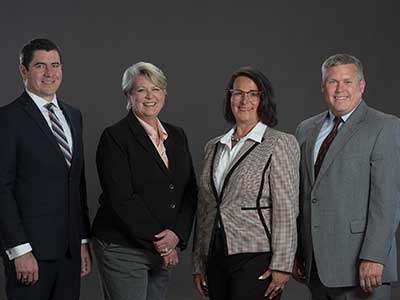
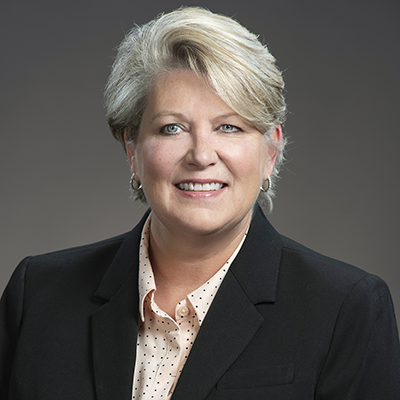
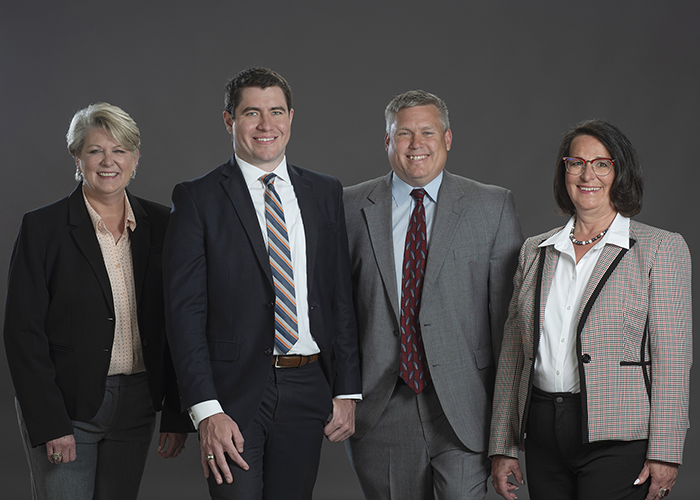
Meet The Attorneys Of Brown Borkowski & Morrow








We Are Focused On Getting Results For Clients
Any law office can make impressive claims about their attorneys, but if the law firm cannot back up words with action, the claims are meaningless. Results are what matter to clients. The majority of our business comes to us from word-of-mouth recommendations from satisfied clients, recognition in the media and referrals from other attorneys.
We Represent A Wide Variety of Clients
The attorneys at Brown Borkowski & Morrow offer powerful legal representation to clients that include individuals and families, small, midsize and national corporations, insurance companies, credit unions, franchises, partnerships, individuals and sole proprietors. Our cases have included matters in construction, manufacturing, medical offices, health care, contest and uncontested probate and trust estates, commercial and residential real estate, professional athletics, sales and retail, labor, distribution, financial services and the service industry sector.
Our knowledgeable Michigan attorneys are qualified to represent clients in the areas of:
Business and corporate law: Business disputes; contract disputes; banking litigation; class action defense; employment compliance; insurance law
Insurance defense
Estate planning: Wills, trusts, estate administration, probate
Commercial & industrial tax appeals: We help property owners appeal unfairly inflated State Equalized Value (SEV) assessments.
Brown Borkowski & Morrow
Free Consultations With Our Talented Michigan Attorneys
At Brown Borkowski & Morrow, we look forward to tailoring our legal advice to our clients’ specific needs. We have a successful track record in complex litigation and negotiating settlements out of court.
Whether you need professional commercial litigation services, assistance with a probate or trust administration, guidance for estate planning or skilled insurance defense attorneys, our attorneys have the experience and dedication necessary to help you succeed.
Call 888-757-1681 to set up an appointment for a free consultation at our Farmington Hills office. You can also contact our Michigan lawyers online.